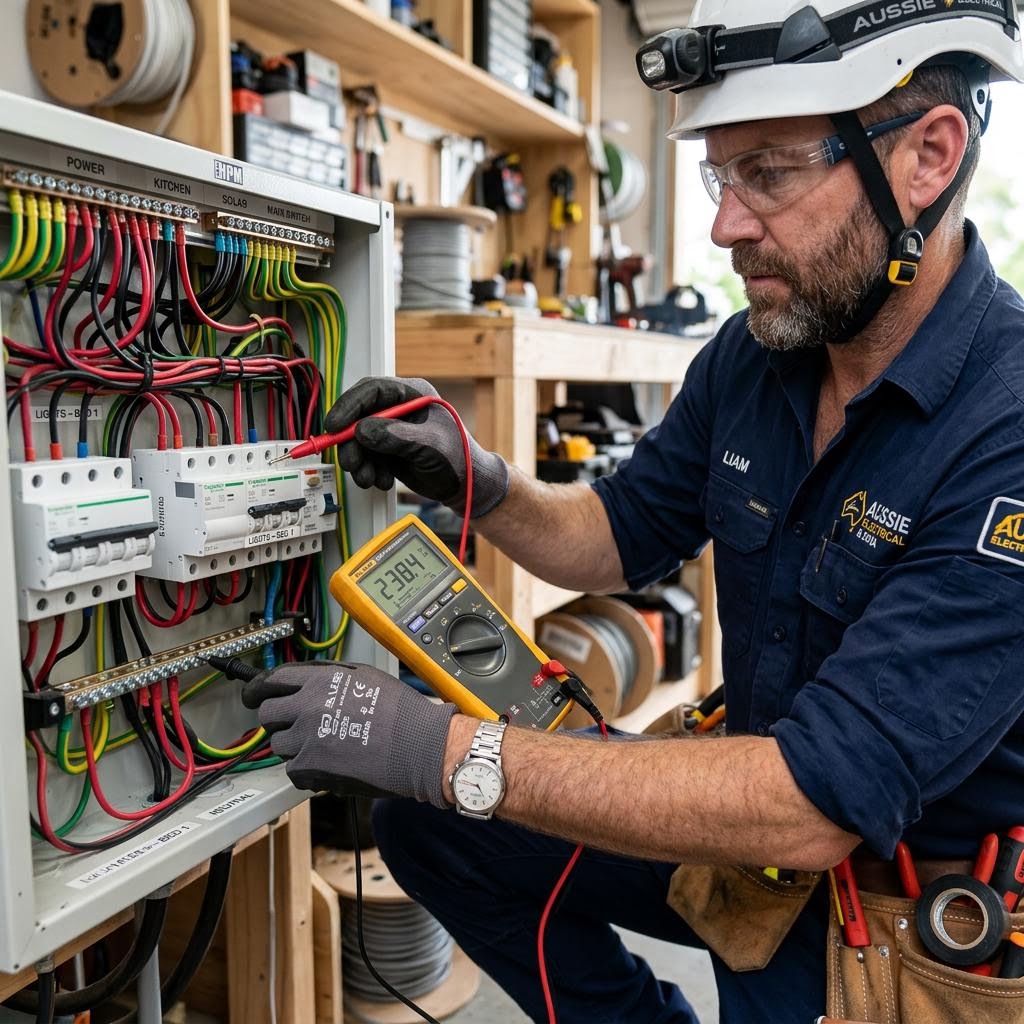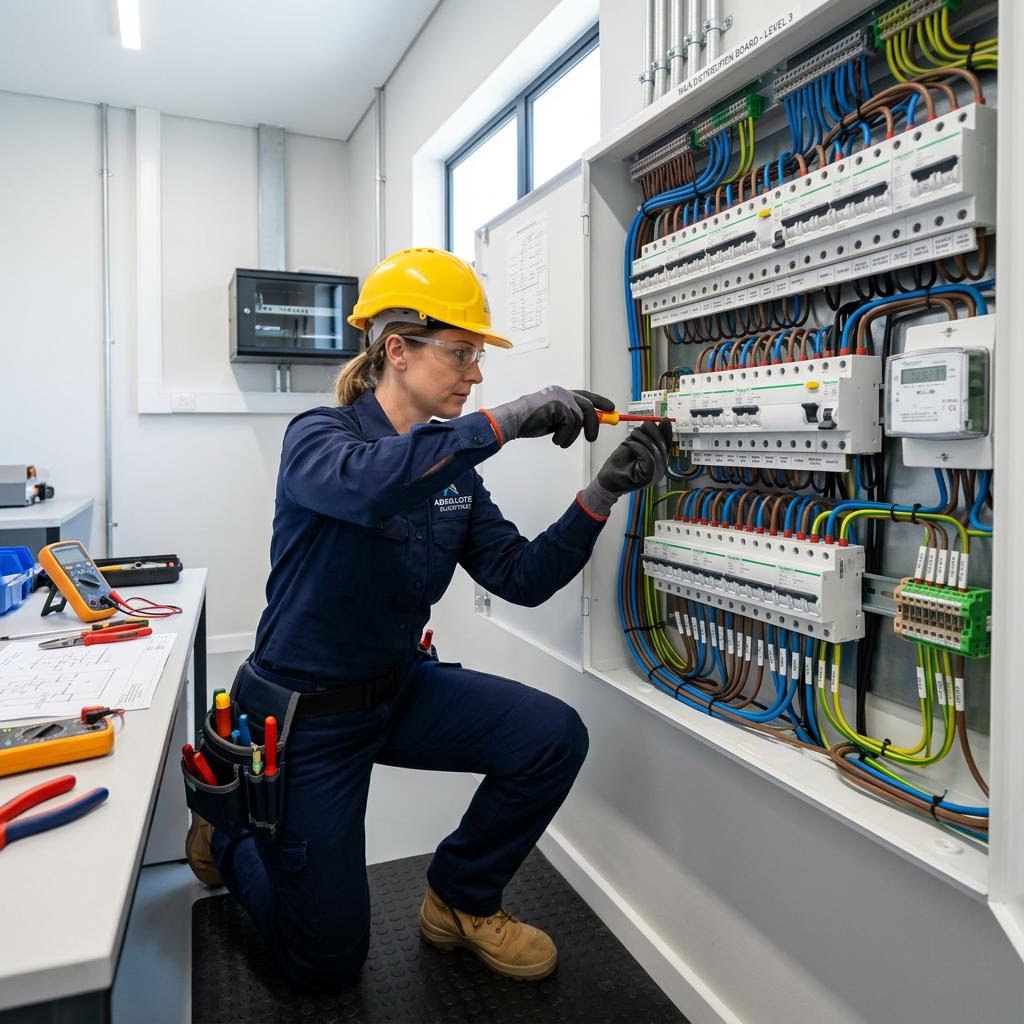
Prepare useful observations when security lights activate unexpectedly. Discuss sensor coverage, controls and nuisance light without adjusting wiring.
A security light that switches on repeatedly can disturb sleep and neighbours without improving visibility. The problem may involve the detection area, moving objects, control settings or a fault. Rather than repeatedly changing switches or aiming equipment from a ladder, record what happens from a safe position and ask an electrician to assess the installation and its intended use.
Record what coincides with activation
Note the time, weather and activity when the light operates unexpectedly. Passing traffic, people using a shared path, animals or moving vegetation may help explain a pattern, but timing alone does not prove the cause. A short log is more useful than saying it “goes off all night”. Do not deliberately enter an unsafe area or interfere with neighbouring property to reproduce a trigger.
Separate detection from illumination
The area detected by a sensor is not necessarily identical to the area lit by the fitting. Explain which approach you want the light to serve and which public or neighbouring areas should not trigger it. Photographs from ground level can show the gate, driveway and planting. Ask the electrician whether sensor positioning, coverage or equipment choice suits that geometry rather than simply requesting a brighter light.
Explain the nuisance as well as the trigger
Describe whether light enters a bedroom, shines towards a road or reflects from a pale wall. Note whether it stays on too long or repeatedly cycles. Avoid making precise claims about a neighbour’s activities; the useful issue is the unwanted light and when it occurs. In strata buildings, involve the manager where fittings or access belong to common property. A practical solution may require agreement about operating times.
Keep controls understandable
Provide the model instructions if available and explain how household members currently operate the light. Some installations have manual overrides or connected settings that can be mistaken for sensor failure. Ask for the normal mode, override behaviour and any safe user controls to be demonstrated. Do not open the fitting, reach into a sensor housing or change wiring. Water ingress, scorching or crackling needs prompt professional attention.
Check the result in normal use
Agree which adjustments or repairs are included and how the coverage will be checked. Ask whether an after-dark review is needed, without assuming it is included in every visit. Keep a record of the final operating arrangement and report continued unwanted activation. Trimming vegetation may be a separate task requiring safe access or permission; do not treat a lighting visit as authority to remove trees.
For a property-specific discussion, contact our security lighting team with the details you have gathered.