Choose battery capacity around your energy use and solar generation, not a headline size. Understand usable storage, output and backup requirements.
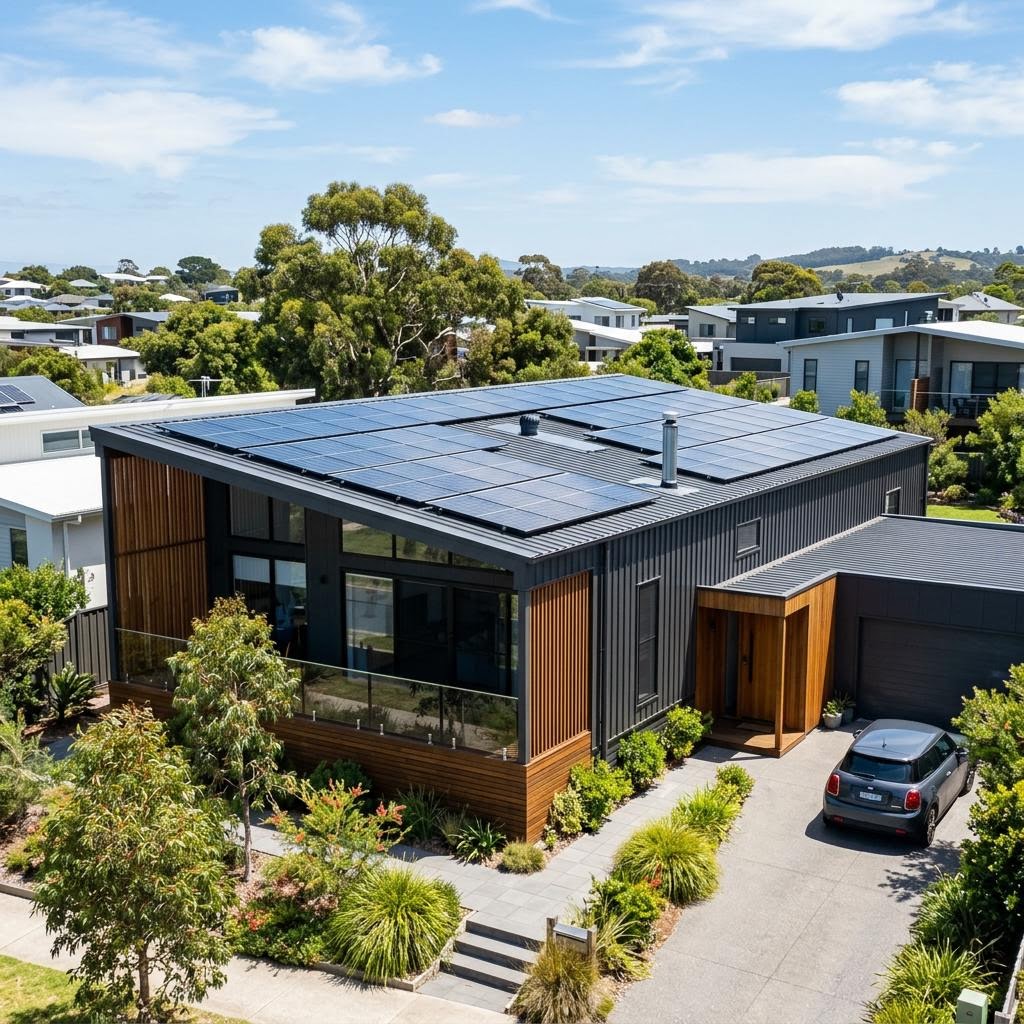
A battery that suits one household may be too small, too large or incompatible with another. The starting point is when you use electricity and how much spare solar generation is available to charge it. Roof size or the number of bedrooms alone cannot answer that question.
Start with your own consumption pattern
Collect recent electricity bills and, where available, interval data and solar monitoring records. Separate daytime use from evening and overnight use. Include different seasons: air conditioning, heating and changing daylight can alter both demand and generation.
A household that runs appliances during daylight may export little energy even with a substantial solar array. A household away all day may have more surplus but a concentrated evening load. Explain plans for an electric vehicle, electrification or a home office so the assessment reflects likely future use without assuming it.
Understand capacity and output
Battery storage capacity is measured in kilowatt-hours, while power output is measured in kilowatts. Capacity describes stored energy; output describes how much power can be delivered at a moment. Both matter when comparing products.
As an illustration only, supplying a steady one-kilowatt load for four hours requires four kilowatt-hours before allowing for losses or reserve settings. That is not a sizing recommendation. Real appliances cycle, loads overlap and the battery may retain a reserve. Compare usable capacity rather than assuming the advertised total is all available to your home.
Decide whether backup is part of the brief
Do not assume a battery automatically powers the whole house during an outage. Backup depends on the product, installation design, selected circuits and the loads connected. Some systems need additional equipment or settings for the backup behaviour you want.
- Which essential appliances would you want to run?
- What continuous and starting loads do those appliances present?
- How much capacity would be reserved for an outage?
- Can the proposed system recharge from solar while operating in backup mode?
Compare the complete proposal
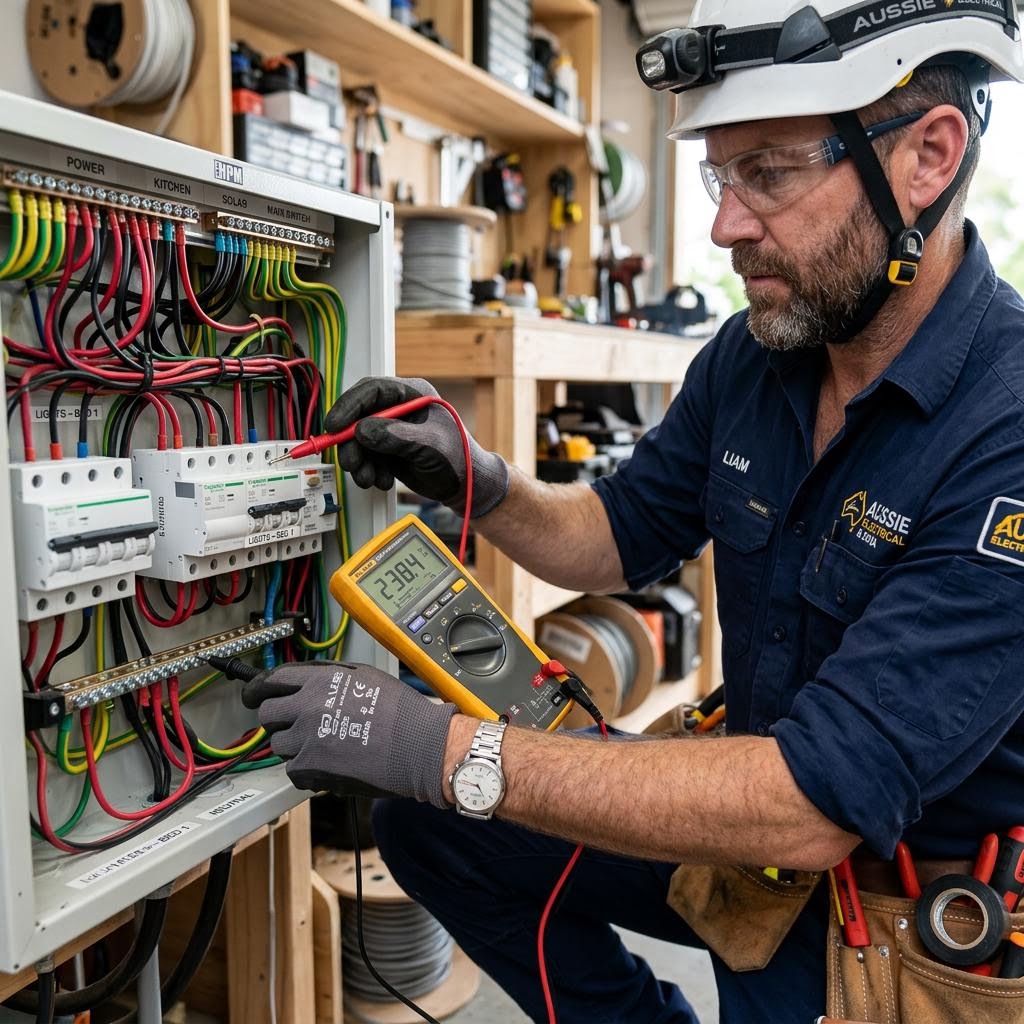
Discuss your records with solar battery storage and installation services to assess compatibility with the existing inverter, available installation space and household requirements. Battery siting and electrical connections are professional work, not a DIY project.
Ask for the proposed usable capacity, output limits, reserve assumptions and included equipment in writing. Any savings estimate should state the electricity tariff, export rate and usage assumptions it relies on. Avoid treating a predicted payback as a guarantee. Check product warranty conditions and monitoring arrangements, then choose a system that meets an evidenced need rather than simply the largest option.