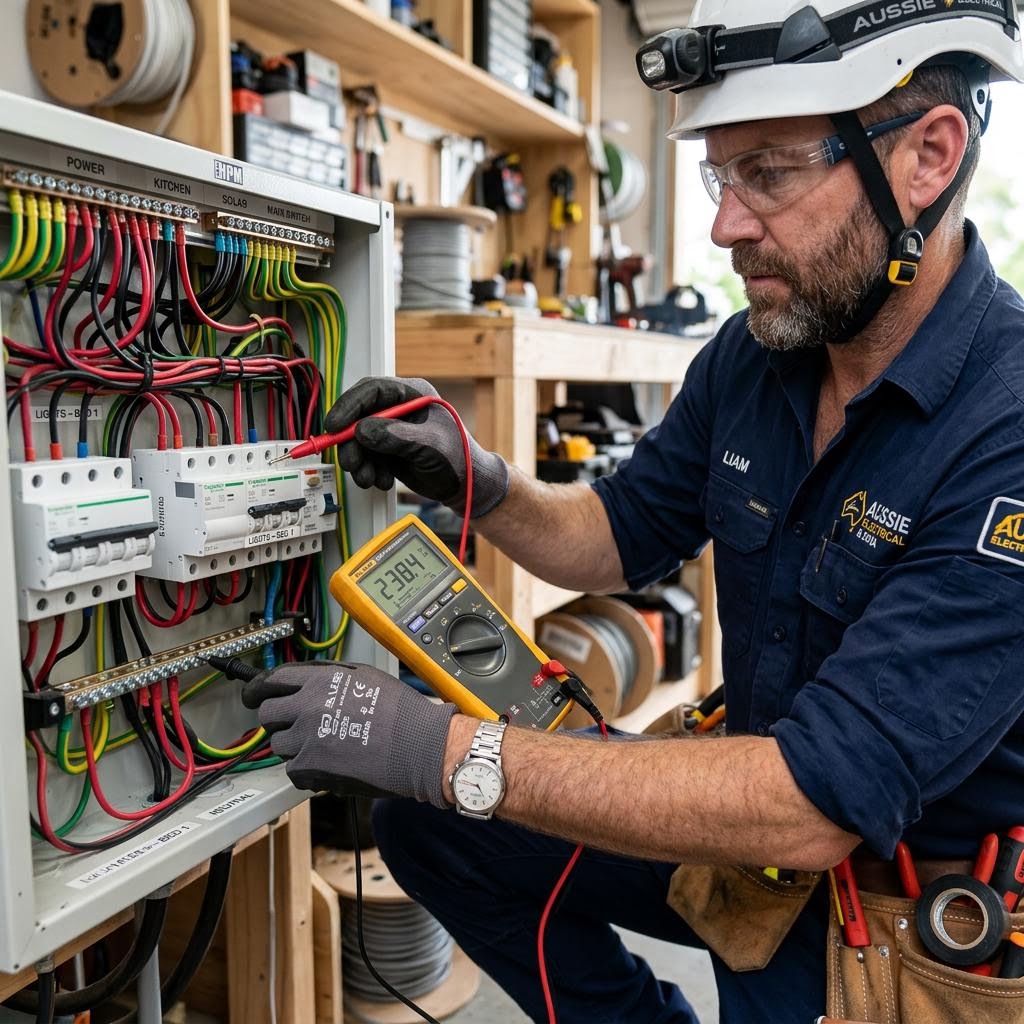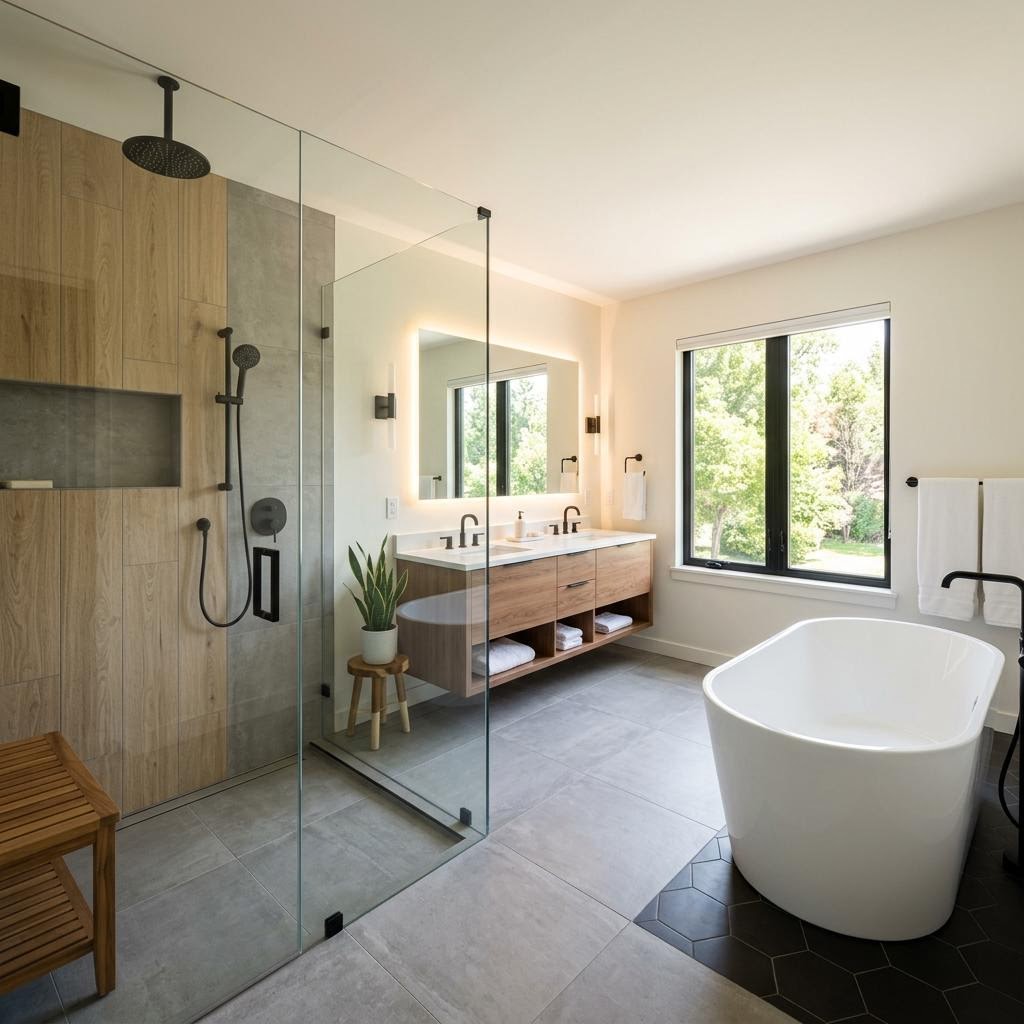
Define after-renovation cleaning by surfaces, dust and remaining trade work. Separate ordinary finishing cleans from building waste and hazardous-material work.
An after-renovation clean should begin when the site is ready for the agreed cleaning task, not simply when the major building work stops. Dust, packaging, trade waste and unfinished repairs can belong to different scopes. Prepare a room-by-room list and ask the cleaner which tasks can be completed safely. Do not assume a general cleaning booking includes hazardous-material cleanup or construction defect correction.
Confirm what work is finished
Identify remaining drilling, sanding, painting and installations before setting the cleaning sequence. A clean completed too early can be undone by later trades. Ask the builder which areas are handed over and whether surfaces have product-specific cleaning restrictions. New coatings, sealants and finishes may need time before particular methods are suitable. The cleaner should receive that information rather than guessing from the appearance of a finished room.
Separate waste and cleaning
List packaging, leftover materials and rubble separately from dust removal and surface cleaning. Confirm who removes bulky waste and whether disposal is included. Do not ask a cleaner to shift unknown construction debris or suspect materials. NSW asbestos guidance supports assessment before disturbance; ordinary vacuuming is not a substitute for specialist hazardous-dust management. If the dust source is uncertain, resolve that before treating the area as a normal household clean.
Specify surfaces and access
Include cabinet interiors, accessible ledges, tracks, fixtures and floors that are ready for cleaning. State whether high areas, exterior windows or newly installed appliances are included. Ask which access equipment and methods are required rather than offering a household ladder for inaccessible work. Tell the cleaner about delicate stone, coated glass and other surfaces with specific care instructions. A general request to “remove all dust” is difficult to scope or verify.
Keep chemical use product-specific
Provide the builder’s and manufacturers’ care information. The cited NSW cleaning-agent guidance supports following labels and not mixing chemicals; its clinical cleaning procedures are not a domestic renovation standard. Do not use aggressive products on unknown finishes or assume stronger chemicals are needed because dust is persistent. Ask how the team avoids transferring dust between areas and what limitations remain around inaccessible cavities or unfinished work.
Agree a practical handover
Walk through accessible areas against the agreed list and raise missed tasks promptly. Keep cleaning, defects and remaining construction work separate so responsibility is clear. Ask whether a staged clean is needed after later work, without assuming repeat visits are included. Retain the scope and product-care notes. A useful post-renovation clean prepares finished spaces for use; it does not certify that the building is defect-free or free of every concealed contaminant.
For a property-specific discussion, contact our after-renovation cleaning team with the details you have gathered.